
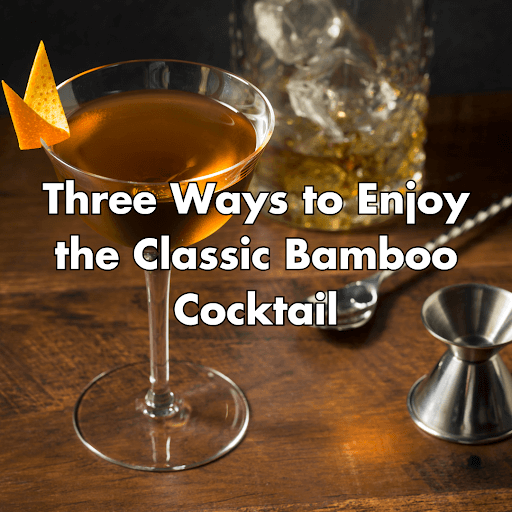
Every classic cocktail has a story, but the bamboo cocktail might be one of the most fascinating drinks ever.
I have always loved how something so simple can have such a rich history.
You can hand someone a glass of wine, and they get comfortable quickly, but hand someone a serving of bamboo, and suddenly they ask a dozen questions. That curiosity is half the fun.
The bamboo cocktail is a sherry-based cocktail that tastes elegant without being fussy.
It contains equal parts sherry and vermouth, is usually stirred in a mixing glass, and finished with a dash of orange bitters or even a couple drops of Angostura bitters.
It is a variation of the martini that drinks lighter, almost like a soft aperitif, bringing out the best in both the sherry and the vermouth.
It is also a drink with one of the most interesting origin stories in cocktail history. It was likely created by German bartender Louis Eppinger, often referred to as Mr. Louis Eppinger, during his years at the Grand Hotel in Yokohama.
His cocktails traveled far, and bartenders in New York barrooms, San Francisco, and Boston picked them up. If you have ever heard of the Boston Bamboo, that is one of the regional takes that followed the drink’s early popularity.
If you love old drink lore, this cocktail is mentioned in David Wondrich’s book Imbibe, in William Boothby’s Cocktail Bill, and in other historical lists of the world’s drinks. When you see a drink pop up across so many early texts, you know it is a good drink.
Today I want to share three ways I love to enjoy the classic bamboo cocktail. Each one uses a different style of sherry or vermouth, and each one highlights how flexible the drink can be without losing its identity.

1. The Classic Bamboo
This is the version that hooked me. It is simple, clean, and bright. I make it with equal measures of dry vermouth and parts sherry, usually dry fino, though I sometimes use amontillado sherry when I want a slightly richer aroma.
Combine in a mixing glass, stir until chilled, strain into a chilled coupe or chilled cocktail glass, and finish with a lemon twist.
The beauty here is how balanced it is. You taste the nutty quality of dry sherry, the herbal lift of French vermouth, and the faint citrus from the bitter element.
Just a few dashes of orange bitters or a dash of Angostura bitters pulls everything into focus. It is perfect before dinner, especially if you do not want a heavy drink.
This is also the version that reminds me most of the original intent behind the cocktail. It predates vodka’s success, which is part of why it feels old-world and timeless at the same time.
2. The Sweeter Sherry Version
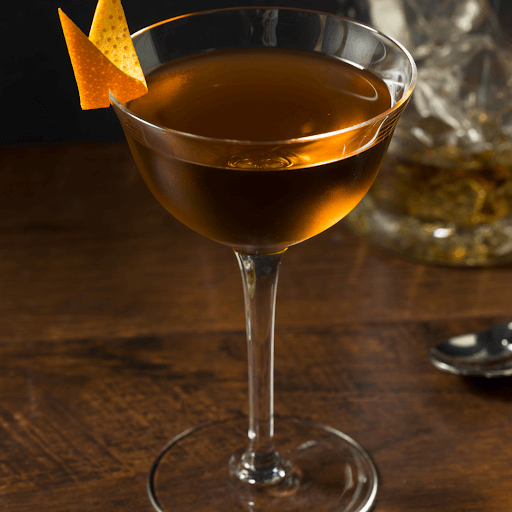
If you enjoy cocktails with a fuller body, try making what I call the “soft edge” bamboo. Use sweeter sherry, such as amontillado sherry or even parts of palo cortado sherry, then pair it with a high-quality Italian vermouth or sweet vermouth.
You still keep the equal parts structure, but you get deeper caramel and dried fruit notes. This version leans slightly warmer and rounder, the kind of drink that could replace a sherry cobbler on a cool night. Sometimes I add a splash of sugar syrup or a tiny splash of triple sec liqueur when I want a touch of brightness.
Some modern bartenders add a couple of drops of Angostura bitters or a dash of orange bitters instead of orange bitters. It depends on your preference. Either way, this is a delicious cocktail that feels refined without leaning sweet.
3. The Blanc Vermouth and Fino Version
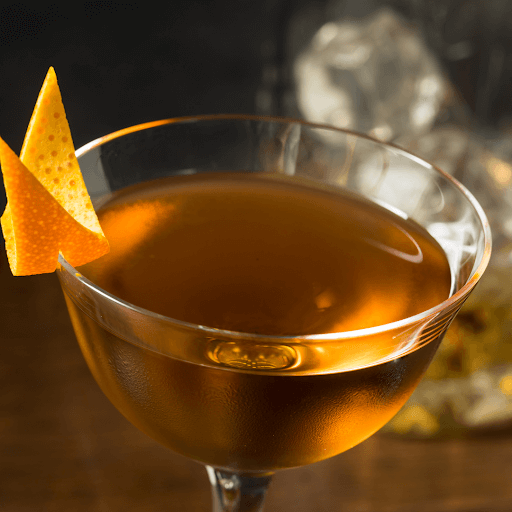
This is the version you will find in some newly opened cocktail bar menus, especially those inspired by Death & Co or Halleck Street style bars. It uses parts fino sherry with blanc vermouth, which sits between dry and sweet. The result is floral and almost delicate.
It is the closest thing to a featherlight martini you can get while still keeping the structure of the bamboo cocktail.
This is also a great version if you are serving people who like fruity options or who prefer a clean spirit profile. I consider it a great way to introduce someone to sherry cocktails without overwhelming them.
Tips and Tricks
- Keep your bottles cold. This cocktail shines when everything starts near room temperature, but the final product must be stirred until very cold. A sloppy stir makes a watery drink.
- Experiment with vermouth. A cocktail so dependent on the combination of vermouth deserves more than a grocery store bottle. Try Italian, French, or a local craft producer.
- Play with the bitters. The difference between a dash of orange bitters, a dash of orange bitters, and a couple drops of Angostura bitters is bigger than you think.
- Try different sherries. Between dry sherry, dry fino, amontillado sherry, palo cortado, and others, you can create endless nuance.
Frequently Asked Questions (FAQs)
Q: Is the bamboo cocktail strong?
A: It is lower in alcohol than a standard martini thanks to the sherry base. It feels light but carries enough structure to satisfy people who enjoy stirred cocktails.
Q: What vermouth is best for a bamboo cocktail?
A: I like a mix of French vermouth and Italian vermouth, although the drink works beautifully with many styles.
Q: What is the calorie content?
A: It varies by sherry and vermouth, but most servings land below many other stirred cocktails because the drink uses fortified wine rather than a full spirit.
Q: Why do bartenders call it an insidious drink?
A: Because it goes down easily and feels light, which makes it tempting to have a higher number of drinks than planned.
Q: Is the bamboo related to Brazilian drinks?
A: Not directly, although I have seen writers group it with lighter aperitif drinks when talking about the best cachaça cocktails or a traditional Brazilian cocktail lineup.