
Campari is one of those bottles of liquor that can feel intimidating at first. You see that bright red color, hear people talk about bitterness, and suddenly it feels like a drink only “cocktail people” order.
But here’s the thing. Once you actually start using Campari at home, it becomes one of the most useful bottles you can own.
I keep a bottle of Campari around because it works in so many different cocktail recipes.
It can be bold or refreshing, spirit-forward or light, classic or modern.
Whether you’re making your first drink with Campari or you’re looking to expand beyond the classic Negroni, there are a lot of great choices that make Campari easy to enjoy.
Campari is a popular liqueur and Italian aperitif created by Gaspare Campari, and it falls into the category of red bitter liqueurs. It’s designed to stimulate your appetite, which is why it shows up so often before dinner or during happy hour.
In recent years, Campari drinks have become even more popular again, especially as people experiment more with classic cocktail recipes at home.

What Campari Actually Tastes Like
Let’s talk about flavor, because that’s where people tend to get stuck. Bitter Campari is, yes, bitter. But it’s also sweet, herbal, and citrusy all at once. That bittersweet flavor is what makes it work so well in cocktails.
The first sip can feel strong, especially if it’s your first drink with Campari, but it softens quickly. When paired with citrus, bubbles, or the right spirit, Campari turns into something balanced instead of overwhelming.
It works especially well with dry gin, bourbon whiskey, rye whiskey, sparkling wine, and vermouth. Citrus juices like orange juice, lemon juice, lime juice, grapefruit juice, and blood orange help round it out. That’s why Campari shows up in everything from simple spritzes to more complex cocktail builds.
The Classic Negroni and Why It Matters
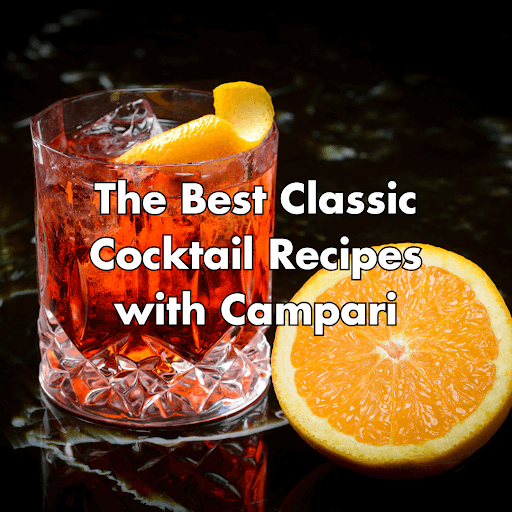
We do have to talk about the classic Negroni, because it’s the foundation for understanding Campari. The drink is tied to Count Camillo Negroni, who asked for a stronger version of his usual cocktail. That swap created what’s now one of the most recognizable classic Italian cocktail recipes.
The original recipe uses equal parts of each ingredient. Equal parts gin, equal parts Campari, and equal parts sweet vermouth. That balance is what makes it work.
Writers like Erskine Gwynne helped spread its popularity, but honestly, the drink sells itself.
If you’re making one at home, use a mixing glass with fresh ice, stir gently, and strain over fresh ice. Finish with an orange peel or orange twist. Carpano Antica is a great sweet vermouth choice if you want something rich, but there are plenty of good options.

Negroni Variations You Should Know
Once you understand the classic recipe, you can branch out easily.
The Negroni Sbagliato swaps gin for prosecco or other sparkling wine. It’s lighter, bubbly, and perfect when you want something less intense.
The Old Pal uses equal parts rye whiskey and dry vermouth instead of sweet vermouth. It’s drier and sharper, and great if you like less sweetness.
A Negroni riff might include bourbon whiskey, orange bitters, or even a splash of
Campari added to another drink to give it more depth.
These variations show how flexible Campari really is.

Easy, Lighter Campari Cocktails
Not every Campari drink needs to be bold and spirit-forward.
A Campari spritz is one of the best ways to ease into it. Campari, sparkling wine, and part soda water make a refreshing drink that still keeps that bittersweet edge. Serve it in a tall glass with fresh ice and an orange slice.
Campari soda is even simpler. Just Campari and club soda over fresh ice. Add an orange peel or orange slice and you’re done. It’s clean, refreshing, and great as a first sip of the night.
If you like an Aperol spritz but want something a little stronger, this is a natural next step.

Citrus and Tropical Campari Cocktails
Campari also shines in citrus-forward and tropical drinks.
The Jungle Bird is a favorite for a reason. Pineapple juice, lime juice, Campari, and rum come together for a bittersweet sour cocktail that feels balanced, not sugary.
Campari works well with grapefruit juice and lemon juice for bright, refreshing drinks. Even adding a splash of Campari to orange juice can turn a simple drink into something more interesting.
Maraschino liqueur adds a subtle sweetness when used carefully, and blood orange pairs beautifully with Campari’s bitterness.
Building Better Campari Drinks at Home
A few small tips make a big difference.
- Always use fresh ice. Dilution matters with bitter cocktails.
- Do not over-sweeten. Simple syrup or demerara syrup should support the drink, not cover the bitterness.
- Use good vermouth and store it in the fridge once opened.
- Taste as you go, especially when experimenting with modern cocktails.
- Start with classic builds before improvising.
The best way to learn Campari is by making a few different styles and paying attention to what you like.
Stocking a Simple Campari Bar
You don’t need a huge setup to make great Campari cocktails.
A bottle of Campari, sweet vermouth, dry vermouth, a good dry gin, rye whiskey, bourbon whiskey, sparkling wine, and club soda will cover most popular cocktails.
Add citrus, orange bitters, fresh herbs, and you’re set.
That setup gives you access to some of the best Campari cocktails without feeling overwhelming.

Frequently Asked Questions (FAQs)
Q: Is Campari very bitter?
A: Yes, but it’s balanced with sweetness and citrus notes.
Q: What’s the best Campari cocktail for beginners?
A: A Campari soda or Campari spritz are great first drinks.
Q: Can Campari be used in modern cocktails?
A: Absolutely. It’s a staple in many modern cocktails and creative recipes.
Q: Is Campari the same as Aperol?
A: No. Aperol is sweeter and lighter. Campari is more bitter and intense.
Q: What glass should I use for Campari drinks?
A: Rocks glasses work for spirit-forward drinks. A tall glass is better for spritzes.
Q: Does Campari go bad?
A: Campari itself is shelf-stable, but vermouth should be refrigerated after opening.
Campari doesn’t have to feel intimidating or overly serious. It’s just a well-made Italian aperitif that happens to be bold. Whether you’re making a classic Negroni, a Negroni Sbagliato, a Jungle Bird, or a simple spritz, Campari gives you structure and flavor without requiring fancy techniques.
If it becomes your favorite cocktail ingredient or just something you reach for occasionally, Campari is worth understanding.
Once you get comfortable with its bitterness, it opens up a lot of possibilities and makes your home cocktails feel more intentional without being complicated.
What’s your favorite Campari-based cocktail?